
Landscaping fleets don’t get an easy life. Trucks idle between jobs. Mowers run hot for hours. Equipment works in dust, heat, and stop-and-go conditions that most vehicles never see. That kind of workload exposes weak maintenance decisions fast. Landscaping fleet maintenance isn’t about squeezing the lowest upfront price. It’s about protecting equipment so it works longer, burns fuel more efficiently, and doesn’t force early replacement.
At Missouri Synthetics, we work with lawn and landscape contractors who rely on their fleets every single day. When maintenance is done right, fuel usage stabilizes, repair frequency drops, and equipment stays productive longer. That’s not theory. It’s what happens when engines are properly protected under real working conditions.
Why Landscaping Fleets Use More Fuel Than Expected
Landscaping fleets operate differently from highway vehicles. Engines idle at job sites. Trucks tow loaded trailers. Equipment runs at varying speeds under constant load. All of that creates heat and friction. When oil breaks down too quickly, engines work harder than they should.
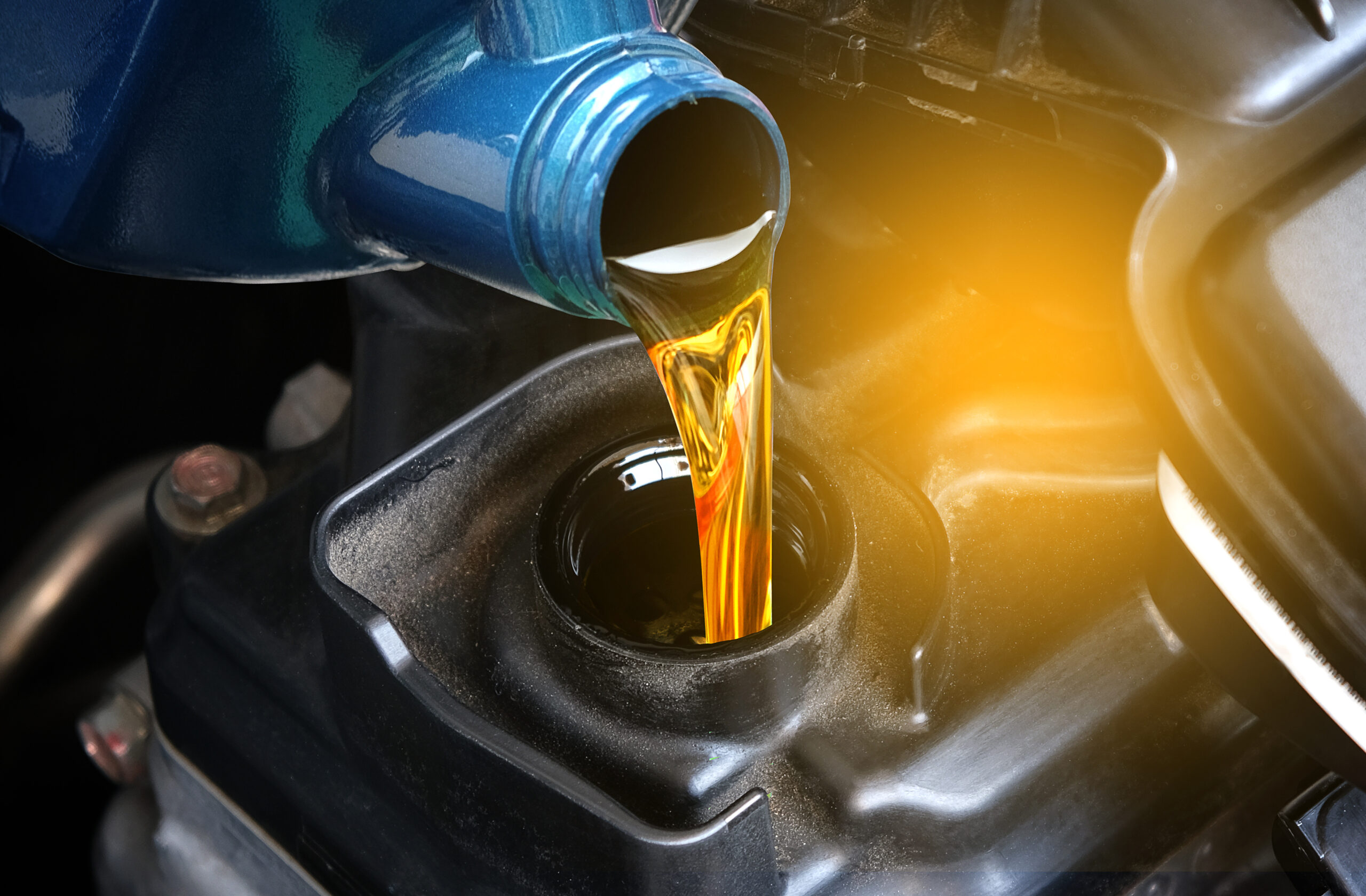
Synthetic engine oils of high quality are made to deal with that stress. They keep their viscosity, don’t oxidize, and keep the inside parts cleaner for longer service intervals. Engines that are cleaner work better. Engines don’t have to burn as much fuel to get rid of wear and deposits when there is less friction.
This is where landscaping fleet maintenance starts to pay off. Fuel savings don’t show up overnight. They show up over time as engines continue running the way they were designed to. When lubrication holds up, efficiency doesn’t quietly disappear season after season.
Fewer Repairs Start With Strong Engine Protection
Most major repairs don’t come out of nowhere. They build slowly. Heat breaks oil down. Friction increases. Wear compounds. Landscaping fleets feel this faster because equipment rarely operates under ideal conditions.
Premium synthetic engine oils provide a stronger protective film under pressure and heat. That protection reduces metal-to-metal contact inside the engine. Less contact means less wear on critical components like bearings, pistons, and valve trains. When wear slows down, unexpected repairs become less common.
At Missouri Synthetics, we frame this as a clear price benefit discussion. Yes, premium lubricants carry a higher price. But the benefit shows up where it matters. Fewer breakdowns during peak season. Less downtime. More predictable maintenance schedules. Over time, the lower operating cost outweighs the higher product price.
Equipment Lasts Longer When Engines Stay Clean
Replacing trucks and other commercial equipment too soon can hurt cash flow. It also gets in the way of business. Smart landscaping fleet maintenance is all about making things last longer without making them less reliable.
Synthetic engine oils help prevent sludge and deposits that shorten engine life. That matters even more for equipment that runs seasonally or sits idle between jobs. When oil stays stable, engines start more easily, run smoother, and maintain compression longer.
This is how replacement cycles get pushed back. Equipment stays dependable for extra seasons instead of being forced out early due to wear-related issues. That breathing room allows contractors to plan replacements instead of reacting to them.
Consistency Is What Makes Maintenance Work
One of the biggest problems in landscaping fleets is inconsistency. Different crews maintain equipment differently. Service intervals get missed. Products vary from one machine to the next. Over time, those gaps create avoidable problems.
Using a consistent maintenance approach across the fleet simplifies everything. Crews know what products are being used and why. Service schedules become predictable. Mistakes drop. Equipment performance becomes more reliable.
At Missouri Synthetics, we help contractors match maintenance practices to how their fleets actually operate. We’re not guessing. We’re aligning products with real-world usage that lawn and landscape professionals deal with every day.
Final Thoughts
Smart landscaping fleet maintenance isn’t about short-term savings. It’s about protecting engines so fuel use stays steady, repairs become less frequent, and equipment lasts longer than expected.
When businesses focus on price benefit instead of upfront price alone, the value becomes obvious. Strong lubrication reduces friction, controls heat, and keeps engines cleaner under demanding conditions. That’s what keeps fleets productive season after season.
At Missouri Synthetics, we believe landscaping fleet maintenance should support growth, not slow it down. When maintenance decisions are intentional, the results show up where they matter most. In reliability. In performance. And in long-term operating stability.
Frequently Asked Questions
1. Why does landscaping fleet maintenance matter for contractors?
Smart landscaping fleet maintenance keeps engines cleaner, improves fuel efficiency, reduces repairs, and extends equipment life across lawn and operations.
2. How does synthetic oil improve the price benefit in fleet maintenance?
Using premium synthetic engine oil delivers a better price benefit by lowering downtime, stabilizing fuel use, and delaying costly equipment replacement.
3. How often should landscaping fleets follow maintenance schedules?
Consistent landscaping fleet maintenance schedules help crews avoid missed services, reduce breakdowns during peak season, and keep equipment reliable longer.
4. How does Missouri Synthetics support landscaping fleets?
Missouri Synthetics helps contractors choose engine-focused lubrication solutions that handle heat, idle time, and heavy workloads without mixing messages of confusion.
5. How does landscaping fleet maintenance support business growth?
Landscaping fleet maintenance supports long-term growth by extending service intervals, protecting engines, and keeping replacement decisions predictable for growing businesses.